Whether and how Maui County buys back the system will shape who controls water and who benefits for generations to come
Partners: Lāhainā Strong
This story is part of a series. Read each part below:
The backstory: what’s happening & why it matters
Maui County is considering proposals to buy water systems from Maui Land & Pineapple and West Maui Land Co., two wealthy corporations that have effectively held monopolies over West Maui’s water infrastructure for decades.
The deals are part of a broader trend (on Maui and beyond) of ending for-profit companies’ control of water systems and other utilities. Water privatization around the world has overwhelmingly been a failure, according to everyone from local experts to global organizations that research water policies, and more communities are moving in a different direction. Yet those companies aren’t letting go easily, trying to extract as much value as they can out of these systems (and taxpayers) in the process.
However, Maui’s deals are far from finalized, and how the county negotiates in the coming months will shape who controls water — and who benefits — for generations.
Unfortunately, mainstream media coverage so far has often centered on versions of the story preferred by the corporations involved, at times perpetuating outdated or misleading narratives, leaving out important context, and sidelining key community voices.
Kaheāwai Media took a different approach:
Over the past few months, we’ve listened to dozens of lineal descendants, kiaʻi wai (water protectors), and others with strong track records fighting to protect water in West Maui to understand how THEY feel about these proposals and the future of water in West Maui.


While our story focuses mostly on Maui County’s proposal to buy the Honokōhau Ditch and other assets from MLP, the themes our experts surfaced have deep relevance across Hawaiʻi and across other key issues our communities are dealing with, from housing affordability to job security to food sovereignty.
Over the next few days, Kaheāwai Media will be publishing stories that highlight five key narratives consistently echoed by the community experts we spoke with — and backed up by other research. Below, we’ve summarized each of those narratives.
Also, for those who care about this topic and are looking for ways to get involved, here are five easy things you can do:
Monday, July 27 @ 1:30pm: Watch and testify (in person or online) at the Maui County Council’s Water and Land Use (WAI) Committee meeting, where the committee will discuss a proposal to buy water assets from Launiupoko Water Co. and Olowalu Water Co.
Wednesday, July 29 @ 1:30pm: Watch and testify (in person or online) at the Maui County Council’s Disaster Recovery, International Affairs, and Planning (DRIP) Committee meeting, where the committee will discuss the MLP proposal.
Contact the Maui County Council and Mayor Bissen’s office to let them know you’re paying attention to this topic and tell them how you want this deal to go.
Vote in upcoming county and state elections to help elect the people you want to make decisions about water policies moving forward.
Wednesday, August 5 & Thursday, August 13: Attend community meetings hosted by the Maui Department of Water Supply on water desalination projects being considered in West and South Maui.
*A note on our process
We had three goals when creating this story (in collaboration with our partner, Lāhainā Strong, and our ʻAha Moʻolelo):
- Re-center ʻāina and community voices — not just talking points pushed by wealthy and politically powerful interests
- Understand what these deals really mean — not just what’s on paper, but what they could mean in practice
- Equip community to take action — not just informing people, but creating pathways to hold those in power accountable as negotiations proceed
When we started having these conversations, Maui County hadn’t yet made its proposed deal with MLP (called a Memorandum of Understanding) public. While we were reporting this story, the county published the full MOU, which is a tentative, non-binding proposal that both parties can propose changes to before reaching a final deal.
We reached out to Mayor Richard Bissen’s team to ask more about the MOU, and they agreed to let us interview the mayor, Managing Director Josiah Nishita, and Department of Water Supply Deputy Director Kimo Landgraf, who have all been involved in negotiating the county’s proposed water deals.
Overall, the Bissen administration emphasized that the MOU is not final, that the county will be doing extensive due diligence before presenting a final offer (and can always walk away if the terms aren’t favorable), that Maui County Council must sign off on any deal, and that they want to be as transparent as possible. They encouraged West Maui community members to reach out directly to let them know how they feel about these proposals.
Community-identified narrative summaries
1.
Reprioritize water for ʻāina and local communities — not private interests
The problem:
For far too long, Maui’s water policies have unsustainably and unfairly favored a few wealthy interests — not the environment or the broader public, as required by Hawaiʻi law.
The solution:
Maui MUST shift its policies to prioritize public trust, sustainable, and equitable uses before extractive uses like luxury homes, resorts, and golf courses.
The stakes:
Maui’s water use policies have already been causing harm for generations. Every moment the county delays changing how it stewards water, it jeopardizes water availability for current and future generations.
The community voice:
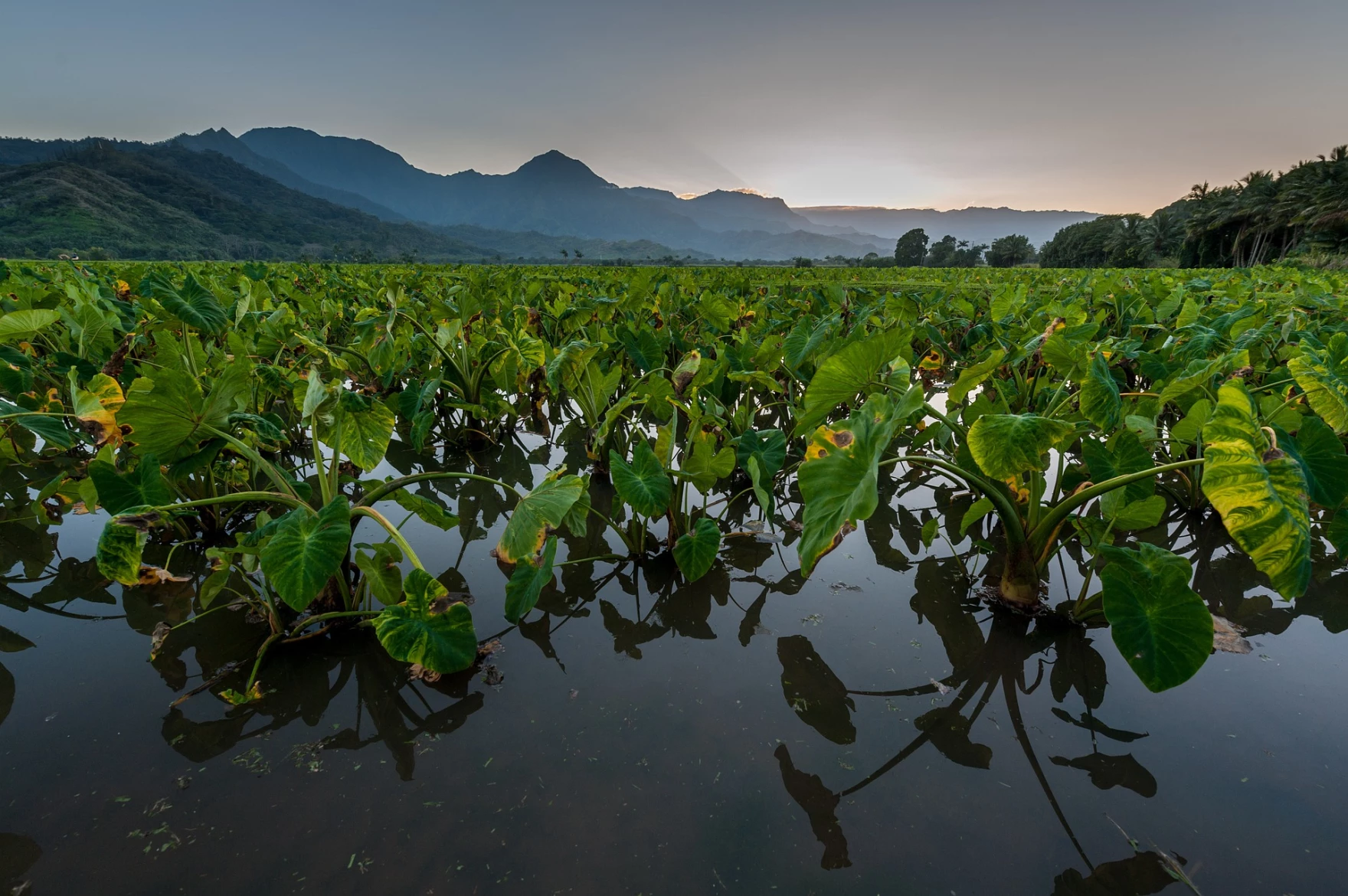
“Water should flow mauka to makai and the needs of public trust uses such as kalo farming in Honokōhau Valley must be met before any water is diverted out of the watershed for luxury housing, resorts, and recreational golf courses. The new climate reality requires our entire Maui community to be prudent with our precious water resources and protect them for future generations. Ola i ka wai! Water is life!”
~ Nā Mamo Aloha ʻĀina o Honokōhau, a nonprofit comprised of lineal descendants and residents of Honokōhau Valley whose mission is to preserve the Valley’s cultural history and to care for and protect its natural and cultural resource
The Bissen administration:
“We’re not acquiring this water system just to take the place of someone else and do what’s been happening. We’re taking over the system because we think in the long run it will benefit our entire community.”
~ Mayor Richard Bissen
2.
Reclaim water systems from private interests — no more for-profit water
The problem:
Privately owned water systems have consistently led to higher water prices, worse service, and more environmental harms than publicly owned systems.
The solution:
Getting water systems out of for-profit entities’ hands is a necessary and overdue first step.
The stakes:
Another billionaire-owned company is trying to buy MLP’s system to guarantee water for its golf courses.
The community voice:
“I think [MLP] sees the writing on the wall. There is a shift in sentiment around these institutions that have done so much harm to Hawaiʻi.”
~ Kaulu Luʻuwai, Maui native and legal fellow with Ka Huli Ao Center for Excellence in Native Hawaiian Law at the University of Hawaiʻi who has worked closely with Honokōhau ʻohana to help them advocate for water rights
The Bissen administration:
“If we’re successful with both West Maui Land and [Maui Land & Pineapple] on these West Maui acquisitions, it would move public control and stewardship of our potable and drinking water systems from 45% percent in West Maui to 93% percent. There has been a lot of good public feedback and community feedback in relation to that… they do feel that the county is the right entity to manage for the public trust benefit.”
~ Josiah Nishita, Managing Director, Maui County Department of Management
3.
Community-led water policies — no more unaccountable government
The problem:
Maui County controlling the system doesn’t guarantee better water use policies — especially when it has historically been a big part of the problem and eroded public trust.
The solution:
Maui County (and the state) must put clear policies and structures into place that ACTUALLY ensure community-led decision making, transparency, and accountability — whether through a water authority and/or other mechanisms.
The stakes:
While the Bissen administration said it’s committed to “long-term water stewardship for future generations,” nothing guarantees that future administrations won’t abuse county control of the water system to favor private interests
The community voice:
“Even if the county take over, it’s not like we can kind of kick back and kick up your feet and you just watch TV. You got to stay vigilant.”
~ Kekai Keahi, Lāhainā native, kalo farmer, and longtime kiaʻi wai (water protector)
The Bissen administration:
“We have been community led, government supported from the very beginning, and we worked hard, very hard, to earn the trust of our community, and we’re not about to do anything to lose that trust.”
~ Mayor Richard Bissen
4.
Negotiate a good deal for taxpayers — no more corporate welfare
The problem:
Our experts raised several concerns with the proposal: MLP won’t guarantee it owns what it’s selling, it wants NEW water credits from the county (on top of existing ones), and it wants the mayor to advocate for pro-development zoning changes.
The solution:
During negotiations is when the community has the most power to influence things by pressuring both Maui County and MLP to enact deal terms that prioritize the public trust and the public interest.
The stakes:
The public could regain control of water in West Maui. MLP wants to sell an aging water system in exchange for valuable water credits that will help it financially. The Bissen administration wants water out of private hands without a corporate bailout, while also dealing with pro-corporate politicians who could sabotage the deal.
The community voice:
“The plantations have been here for 150 years, made their fortunes, wreaked havoc on the community, caused cultural, environmental, social destruction, and now that time is over and they’ve depreciated their own assets to the point that they’re no longer getting any value out of it — [and now] they get this parachute from the government that they get to kind of ride off into the sunset and not have to clean up, so I understand that perspective [that this feels like a bailout of MLP].
~ Dru Hara, Earthjustice attorney who has represented Maui Komohana ʻohana on issues around water rights and permitting before the Commission on Water Resource Management
The Bissen administration:
“The devil’s in the details. That’s really where this is going… They want something from us, we want something from them. And we’re both trying to get a good deal.”
~ Mayor Richard Bissen
5.
Reinvest in a water system that sustains Maui’s local economy — not extracts from it
The problem:
For decades, MLP and others divested from their water systems and the people who maintain them in order to maximize profits for shareholders, contributing to an aging system and shrinking workforce. If Maui County takes over, our experts have questions about how it will maintain the system moving forward.
The solution:
Maui County must use its leverage as a government entity to secure funding that sustains the system for the long term — and the kiaʻi whose knowledge is invaluable to keeping that system working.
The stakes:
Whether and how Maui invests in the people power and other resources and knowledge needed to steward this system moving forward will have generational impacts for its communities, environment, AND economy.
The community voice:
“You need to build into the program a way to create jobs in the watersheds for the people that live there — so it’s not endless volunteer work… your kuleana is your kuleana, and you’re valued and you get paid for it.”
~ Lucienne de Naie, Maui-based historian and water policy expert
The Bissen administration:
“We’re always open to hear what people have to say about the systems and gaining their knowledge. We’re also open to actually hiring these people once we acquire the systems… and making them part of the department, if that’s what they prefer.”
~ Kimo Landgraf, Deputy Director, Maui Department of Water Supply

Take action!
Testify online:
Watch online:
Attend in person:
Kalana O Maui Building, 8th Floor
200 South High St., Wailuku, HI