Reclaim water systems from private interests — no more for-profit water
Partners: Lāhainā Strong
The problem:
Privately owned water systems have consistently led to higher water prices, worse service, and more environmental harms than publicly owned systems.
Starting around the 1980s, based on a then-popular hypothesis that the private sector could do things better and more cheaply than the government, many places started privatizing their water systems. Since then, at least with public infrastructure, that hypothesis has consistently been proven wrong.
Our experts, and extensive research, are clear: water systems run by for-profit — both in West Maui and globally — have, overall, been more inefficient, cost more for both users and taxpayers, caused more water quality issues, and led to more negative environmental impacts.
For-profit water companies have a “fiduciary duty” — a literal legal obligation — to prioritize their investors. While nothing requires those investors to seek maximum short-term profits at all costs, in practice, they often do, putting intense pressure on companies to cut costs by cutting jobs or neglect repairs, and maximize revenue by raising prices or developing land in unsustainable ways.
Additionally, the ownership structure of these companies makes it nearly impossible for the public — and sometimes even the government — to hold them accountable for mismanagement of water.
Maui Land & Pineapple is a publicly traded company, but the majority of its shares are owned by Steve Case, giving Case — who also has effective control over the company’s strategy. Case is a multi-billionaire whose company, Revolution LLC, also owns Grove Farm, a major landowner and developer on Kauaʻi, and he is politically well-connected in Hawaiʻi (including being cousins with US Representative Ed Case and former Department of Land and Natural Resources chair Suzanne Case). West Maui Land Co. is a privately held company owned by controversial developer Peter Martin, making its structure even less accountable to anyone besides Martin.
Our experts shared multiple examples of state and county regulators struggling to obtain trustworthy data on their water usage and rates, and MLP doesn’t even fully fall under the jurisdiction of the state Public Utilities Commission, further weakening the government’s ability to regulate the company. Even when regulators have found these companies guilty of violating water laws, they’re frequently able to negotiate smaller fines or even deals that let them improve their systems in lieu of fines.
Here are just a few examples of water privatization’s track record…
Globally:
Think inflation is bad? Research showed private companies raised water rates 3x as fast as inflation — 18% every two years, adding $300 to people’s water bill on average.
Private ownership is the biggest driver of higher water bills — not drought or aging infrastructure.
Privatization has gone poorly in places as diverse as Paris, Chile, Nigeria, Malaysia, and Michigan, leading many local governments to reverse course.
West Maui:
400s-1800s: the Hawaiian ʻauwai system sustainably supplies water to as many as 1 million people, based on principles of hoʻiwai (sharing, not hoarding water).
1904: Pioneer Mill builds the Honokōhau ditch system (now owned by MLP), destroying many ʻauwai in the process, but has to replace it within 10 years because it’s leaking so badly.
1900s: Plantations divert dozens of streams in West Maui, drying up Lāhainā, the “Venice of the Pacific,” and causing Honokōhau to become the first Maui community forced to import food from elsewhere, according to Kaulu Luʻuwai.
1990s-2019: After Honokōhau ʻohana file a complaint with the Commission On Water Resource Management, the agency finds MLP guilty of wasting water as far back as the 1990s. Then, MLP fails to make required repairs for years, eventually avoiding paying even the minor $140,000 fine — instead, adding new infrastructure to the ditch that it also benefits from.
2025: MLP adjusts its diversion gate without warning downstream families, causing a surge of water that could have been fatal for the 11 kids playing in the stream.
The solution:
Getting water systems out of for-profit entities’ hands is a necessary and overdue first step.
While our experts had varying opinions on whether Maui County will ultimately make better water-use decisions in the long-run and whether the county will be able to get a fair deal (which we’ll discuss more in our remaining stories in this series), they were overwhelmingly in agreement that getting water infrastructure out of private companies’ hands is a necessary first step.
The stakes:
Another billionaire-owned company wants to buy MLP’s system to guarantee water for its golf courses.
Maui County isn’t the only party interested in MLP’s ditch system. TY Management, the owner of Kapalua Golf Course (owned by Japanese multi-billionaire Tadashi Yanai), has been aggressively pushing its plan using political connections and local media.
TY has also tried to curry favor with local nonprofits, in at least one case offering to donate more than $1 million, multiple sources confirmed to Kaheāwai Media, a tactic that our experts said private companies have used throughout history to advance their own interests.
TY has framed its plan as a generous offer to repair the system (claiming it would contribute at least $30 million toward buying and repairing the system, while ultimately giving it to the county through an intermediary). However, its plan would also guarantee uninterrupted water access for its golf courses and luxury homes, as well as give TY priority access to highly coveted recycled water, while everyone else would continue waiting on a permit bottleneck at CWRM to get their water allocations.
Our experts were highly skeptical of TY’s narrative, saying it was misleading for several reasons:
Manufactured community support
Multiple people from Maui Komohana said they’re suspicious of TY’s attempts to gain local support by touting its donations and employment numbers.
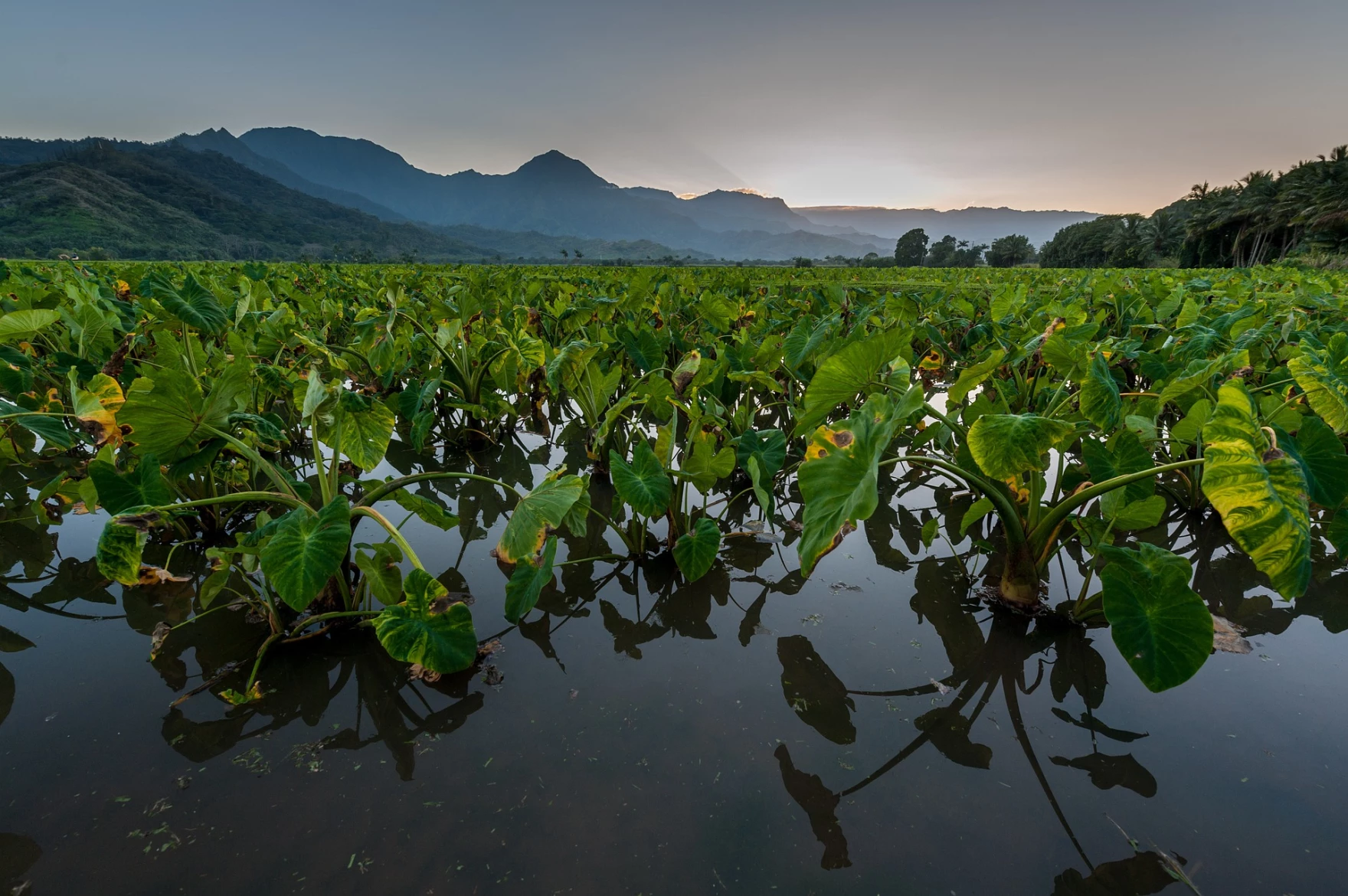
“If I had one dollar for every group that came up to me and said that kine stuff, I wouldn’t be here, I’d be rich,” Lāhainā kalo farmer Kekai Keahi said. “We aware of those tactics, and we don’t ever bow to these guys.”
Kaheāwai Media is aware of least one local nonprofit that has turned down a donation from TY, saying they don’t trust the company’s intentions.
Generous or strategic?
Yanai’s net worth has grown by approximately $6 billion per year since 2020. The median per-person income on Maui is $45,622. Yanai spending $30 million to buy MLP’s water system is like the median Maui worker spending approximately $228 of their annual salary.
TY has also repeatedly claimed that its Sentry golf tournament generated $48-50 million for the local economy, a claim apparently referencing a comment made by Department of Business, Economic Development & Tourism director James Tokioka to Maui News, without referencing any study. We have not seen this number every independently verified, nor has DBEDT or the PGA Tour publicly shared details about how much of that revenue actually stays within the local Maui economy.
Given how scarce and valuable water access on Maui has become, our experts said TY’s donations seemed more like a strategic move to acquire water access for its business — not an act of charity.
TY’s bad track record so far
Last year, TY requested that CWRM force MLP to let it use drinking water to water its golf courses during a drought, which CWRM unlawfully enabled for months before public pressure led its new director to reverse course and follow the law.
Private interest fast-lane for water
Ultimately, the law still says Maui County must prioritize public trust water uses, and experts said that TY’s proposal raises concerns about whether, in practice, it would let TY cut to the front of the line while others with legal priority are forced to wait for other sources.
The community voices:
“We’ve commercialized our water for far too long… 77% of the water in West Maui is commercially controlled. We have to flip that coin and this is the beginning.”
~ Archie Kalepa

Lance Collins, an attorney raised on Maui who has represented Lāhainā fire survivors and clients in water cases against West Maui landowners and water purveyors, and written about water, housing, and land use in West Maui:
“People don’t even really understand what it means for private water companies to control water sources,” Collins said, referring to a case he was involved with against Launiupoko Irrigation Company, a controversial private purveyor owned by West Maui Land Co. that serves a community of largely luxury homes in West Maui and has repeatedly been accused of illegally cutting off Keahi and other Kauaʻula farmers’ water access.
“Ratepayers were paying these huge interest rates for these non-competitive loans that West Maui Land was writing themselves, and it wasn’t really going towards rebuilding infrastructure or anything like that. It was like these wealthy people were paying rates that were probably lower than the county’s rates, but then most of that money for the last twenty plus years was not going towards supporting the infrastructure.”

“We’ve commercialized our water for far too long… 77% of the water in West Maui is commercially controlled. We have to flip that coin and this is the beginning of that happening. This is big corporations understanding their responsibility to community, and so I commend Maui Land and Pine for taking a bold step to allow the discussion for [this] MOU to become possible and, hopefully, other corporations, whether they be [in] Kāʻanapali or any place else, begin to recognize how important this community is.”

Kaulu Luʻuwai, a Maui native and legal fellow with Ka Huli Ao Center for Excellence in Native Hawaiian Law at the University of Hawaiʻi, who has worked closely with Honokōhau ʻohana to help them advocate for their water rights.
“I think they see the writing on the wall. There is a shift in sentiment around these institutions that have done so much harm to Hawaiʻi.”
“It will soon become more challenging for them to develop as they did in the past through their normal models. Looking at the reality of climate change and where our environment is at, there is less water to sustain things, and when you have to fight over whether to provide drinking water for people or hotel pools, you really are facing a no-brainer situation where they see, we’re not gonna be able to provide luxury housing because people don’t have water to drink.”
The Bissen administration:
“There has been a lot of good public feedback… they do feel that the county is the right entity to manage for the public trust benefit.”

Josiah Nishita, Managing Director, Maui County Department of Management:
“If we’re successful with both West Maui Land and MLP on these West Maui acquisitions, it would move public control and stewardship of our potable and drinking water systems from 45% percent in West Maui to 93% percent. There has been a lot of good public feedback and community feedback in relation to that… they do feel that the county is the right entity to manage for the public trust benefit.”
Check back tomorrow for the next story in this series, where our experts will talk about how government ownership isn’t enough on its own — better community input and oversight need to happen as well.

Take action!
Testify online:
Watch online:
Attend in person:
Kalana O Maui Building, 8th Floor
200 South High St., Wailuku, HI